
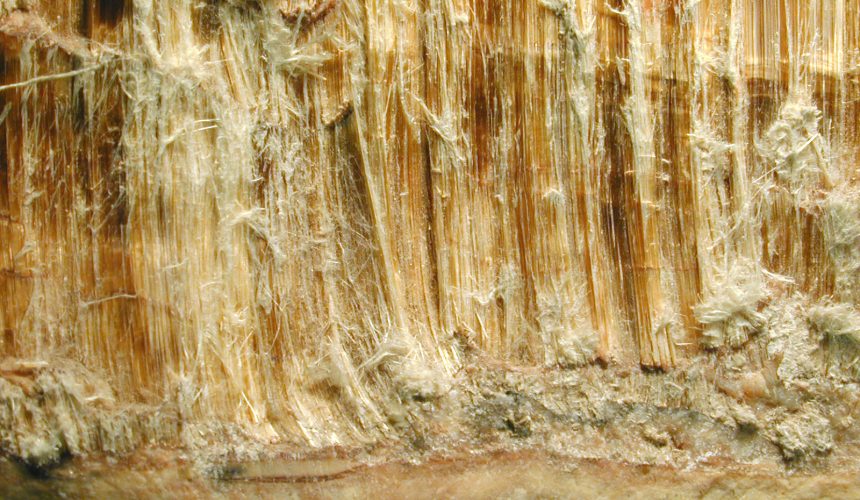
Asbestos-related illness is one of the great workplace tragedies of modern times. The importation, supply and use of asbestos was completely banned in the UK over 20 years ago, but its legacy lives on.
Asbestos is the single greatest cause of work-related deaths in the UK.
The Health and Safety Executive (HSE) has reported that there were over 5,000 asbestos-related deaths in 2019, including from cancers like mesothelioma. The heavy use of brown asbestos is thought to be a key reason why the UK has one of the highest mesothelioma rates in the world. The extreme exposures of the mid- to late twentieth century in sectors such as construction and shipbuilding may be behind us, but asbestos is still in around 300,000 non-domestic buildings according to HSE, and in many more homes.
Managing and working with asbestos in non-domestic buildings is now regulated under the Control of Asbestos Regulations 2012. These regulations are made under the Health and Safety at Work etc Act 1974 and apply only in Great Britain (GB). The HSE has a key role in implementing these regulations and is currently reviewing whether they are meeting their intended objectives.
The current asbestos regulations say that asbestos that is in good condition, well protected and unlikely to be disturbed, can be left in place in buildings. These buildings will not, however, last forever and a policy of waiting for materials containing asbestos to deteriorate before removing them is not sustainable in the long term. The TUC, the ‘Airtight on Asbestos’ Campaign and others, have said a stronger and proactive programme of asbestos removal is required. Large-scale removal is not, however, without its own risk and uncertainty.
Some of the recommendations put forward from the house of commons work and pensions committee are the following:
- The HSE develops and implements a robust research framework for the systematic measurement of current asbestos exposures in non-domestic buildings, and published this framework by October 2022. They also recommend that the Government investigates opportunities to improve the occupational information recorded on death certificates.’
- A deadline now be set for the removal of asbestos from non-domestic buildings, within 40 years. The Government and HSE should develop and publish a strategic plan to achieve this, focusing on removing the highest risk asbestos first, and the early removal from the highest risk settings including schools.
- The HSE works with others in government to develop a central digital register of asbestos in non-domestic buildings, describing its location and type. It is also recommend that HSE conducts research which complements its inspection programme to identify the extent to which duty holders are, in fact, complying with their obligations under the asbestos regulations
- The HSE makes it mandatory for all people conducting asbestos surveys to be accredited by a recognised accreditation body.
This report is now pending for the HSE and Government to use the conclusions and recommendations from the investigation to inform both its immediate post implementation review of the asbestos regulations and its longer-term approach to asbestos management.
Sources of information:
https://committees.parliament.uk/publications/21884/documents/162937/default/
https://www.ukata.org.uk/news/house-of-commons-committee-report-published-the-health-and-safety-executives-approach-to-asbestos-management/