
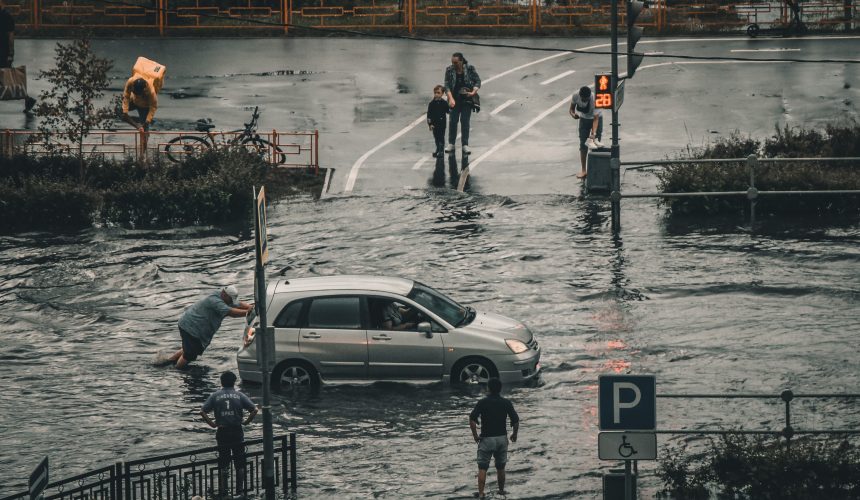
In the UK, rivers are prone to extreme flooding. With peoples homes and businesses often located in vulnerable areas, we have some tips to help you prepare for floods and how to manage damage after having premises flooded.
Local river and surface water flooding impacts are probable in parts of South West England and possible in parts of the North and far South of England and the Midlands later Wednesday into Thursday with river flooding impacts continuing into Friday. Slower responding rivers, particularly in parts of the West Midlands and North East England, are likely to remain high through the next five days leading to further river flooding impacts. River and surface water flooding impacts are also possible across parts of the North of England on Saturday and Sunday. Local groundwater flooding is possible through the next five days in the south of England. Land, roads and some properties could flood and there could be travel disruption.
There are basic things you need to think about when you return to your premises to safely get your home back to normal or your business up and running again.
Minimise the risk from floodwater
- Avoid coming into direct contact with floodwater if possible, as it can contain sewage and chemicals. If you have to go into the water, wear waterproof gloves and rubber boots.
- Take care if you have to go into floodwater – there could be hidden dangers like sharp objects, raised manhole covers and pollution.
- Keep open cuts and sores clean and use waterproof plasters to protect them.
- Always wash your hands with soap and warm water after contact with floodwater or after cleaning up.
Dry your premises safely
- Do not use petrol or diesel generators or other similar fuel driven equipment inside, as they can produce poisonous levels of carbon monoxide, which can kill. Always follow the manufacturer’s instructions.
- When handling or storing petrol or other fuel to use with generators, make sure you have suitable containers and keep them away from ignition sources.
- Ensure good ventilation if using portable indoor heaters to dry out indoor spaces.
Electrical Safety
- Do not touch sources of electricity if you are standing in water, because of the risk of shocks and burns.
- If you are concerned that essential electrical equipment may have been damaged by flooding, consider getting it checked. Electrical Safety First has advice for homes affected by flooding.
What to do after a flood
Dispose of used sandbags at your local tip. You can put most other things in the bin as long as they’re not polluted with sewage or chemicals. Contact your local council if you need skips or extra rubbish collections. Contact the environmental health department at your local council to get rid of sandbags and other things polluted by chemicals or sewage. The council will tell you how to dispose of them as hazardous waste.
For any further advice, contact us on 01691 688723 or email us at info@mbo.ltd.
Source of information: https://www.bbc.com HSE: Information about health and safety at work