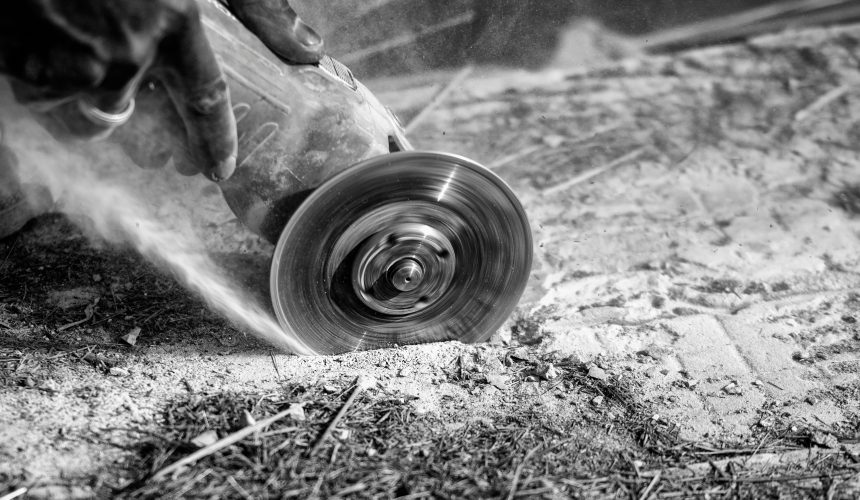
Engineered stone has become increasingly popular in construction, fabrication and interior design due to its durability and aesthetic appeal. However, at MBO Safety Services, we see first‑hand the significant health risks associated with working on engineered stone, particularly the generation of respirable crystalline silica dust and mist. When inhaled, these fine particles can penetrate deep into the lungs, leading to irreversible and life‑limiting conditions such as silicosis, chronic obstructive pulmonary disease and even lung cancer.
Silicosis remains one of the most serious occupational diseases in the UK and engineered stonework is one of the highest‑risk activities due to its extremely high silica content. Employers must understand their legal duties and implement robust controls to protect workers from exposure.
Who Is Most Likely to Be Exposed?
Workers across several sectors face elevated risk when handling, cutting, polishing, or drilling engineered stone:
- Stone Fabricators: Cutting and shaping engineered stone releases high concentrations of respirable crystalline silica.
- Kitchen Worktop Installers: On‑site adjustments, dry cutting and polishing can generate hazardous dust and mist.
- Construction Workers: Engineered stone is increasingly used in modern builds, increasing exposure during installation and refurbishment.
- Manufacturing Operatives: Production processes involving mixing, curing and finishing engineered stone can create airborne contaminants.
These workers are often exposed during routine tasks, making strong controls essential.
Health Risks: Silicosis and Beyond
Silicosis develops when respirable crystalline silica causes inflammation and scarring in the lungs. Once damage occurs, it cannot be reversed. Symptoms include breathlessness, chronic cough, fatigue and increased susceptibility to infections.
Exposure to engineered stone dust or mist can also lead to:
- Chronic obstructive pulmonary disease
- Lung cancer
- Kidney disease
- Autoimmune disorders
The severity of these conditions highlights why employers must take proactive steps to eliminate or reduce exposure.
Legal Duties for Employers
Under UK law, employers have strict responsibilities to protect workers from exposure to hazardous substances, including engineered stone dust and mist.
Key Regulations
- COSHH Regulations: Employers must assess risks, implement controls, provide training, and ensure ongoing monitoring.
- Health and Safety at Work Act: Requires employers to safeguard the health, safety, and welfare of employees.
- Management of Health and Safety at Work Regulations: Mandates suitable and sufficient risk assessments for all hazardous activities.
- PPE Regulations: Ensures respiratory protective equipment is suitable, maintained, and correctly used.
Failure to comply can result in enforcement action, fines, and significant reputational damage.
Necessary Steps Employers Must Take
Protecting workers from engineered stone dust or mist requires a combination of engineering controls, safe systems of work, and ongoing monitoring.
- Comprehensive Risk Assessment: Identify tasks that generate dust or mist and evaluate exposure levels.
- Dust Suppression: Wet cutting, water‑fed tools and controlled polishing significantly reduce airborne contaminants.
- Local Exhaust Ventilation: Capture dust at the source before it spreads.
- Appropriate RPE: Tight‑fitting respirators, correct filter selection and mandatory face‑fit testing.
- Health Surveillance: Lung function testing and regular monitoring for early signs of respiratory disease.
- Training and Competence: Workers must understand the risks and know how to use controls effectively.
- Safe Systems of Work: Clear procedures for cutting, polishing, cleaning and maintenance.
These measures are not optional; they are legal requirements under COSHH and related regulations.
How MBO Safety Services Helps Employers Minimise Exposure
At MBO Safety Services, we support organisations across the UK in managing the risks associated with engineered stonework. Our expertise ensures employers remain compliant while protecting their workforce from harmful exposure.
We provide:
- Workplace Assessments: Identifying engineered stone hazards and evaluating existing controls.
- COSHH Documentation: Creating robust, tailored COSHH assessments and safe systems of work.
- RPE and Face‑Fit Testing: Ensuring workers receive suitable respiratory protection and correct fit.
- Training Packages: Practical, engaging training on silica risks, control measures, and legal duties.
- Ongoing Compliance Support: Regular audits, reviews, and updates to keep your organisation aligned with UK legislation.
Our goal is simple: to help employers create safer workplaces where engineered stone dust or mist never becomes a threat.
Key Takeaways
- Engineered stone dust and mist pose serious health risks, including silicosis.
- Workers in fabrication, installation, construction and manufacturing are most at risk.
- Employers have strict legal duties under COSHH and other UK regulations.
- Effective controls include RPE, LEV, dust suppression, training and health surveillance.
- MBO Safety Services provides expert support to help employers minimise exposure and maintain compliance.
If you want to strengthen your organisation’s approach to engineered stone safety, simply get in touch with us on 08000 842 297 or info@mbo.ltd and we will be more than happy to assist you in any way we can.