At MBO Safety Services, we see first-hand how often Respiratory Protective Equipment is misunderstood, misused or selected incorrectly. Yet RPE is one of the most critical controls for protecting workers from harmful airborne substances. When the wrong equipment is chosen, or when it is worn incorrectly, the consequences can be severe.
This blog explains why selecting the correct RPE is essential, which UK legislation applies, and how we support organisations in getting it right.
Why Correct RPE Matters
The purpose of RPE is simple: to protect the wearer from breathing in hazardous substances. These may include dusts, fumes, vapours, gases, fibres or biological agents. When RPE is not suitable for the task, does not fit the wearer, or is used without proper training, the risk of long-term health issues increases dramatically.
Common consequences of inadequate RPE include:
- Occupational asthma
- Silicosis
- Asbestos related diseases
- Chronic obstructive pulmonary disease
- Long-term respiratory impairment
These conditions are often irreversible. That is why correct RPE selection and use is not just a compliance requirement but a moral responsibility.
The Legislation Behind RPE
Several key pieces of UK legislation govern the correct selection, use and maintenance of RPE. These include:
- Control of Substances Hazardous to Health Regulations 2002 (COSHH) Employers must prevent or adequately control exposure to hazardous substances. RPE is only acceptable when other control measures cannot fully eliminate
the risk. - Personal Protective Equipment at Work Regulations 1992 (as amended) Employers must ensure PPE, including RPE, is suitable, maintained and used correctly.
- Control of Asbestos Regulations 2012 Specific requirements for RPE selection, face fit testing and use when working with asbestos.
- Control of Lead at Work Regulations 2002 Requires suitable RPE where exposure to lead dust or fumes cannot be controlled by other means.
- HSE Guidance HSG53: Respiratory Protective Equipment at Work Although not legislation, this is the primary guidance document used by duty holders to ensure compliance.
These regulations make it clear that employers must select RPE that is suitable for both the wearer and the task, ensure it fits correctly, and provide training on its use.
The Role of Face Fit Testing
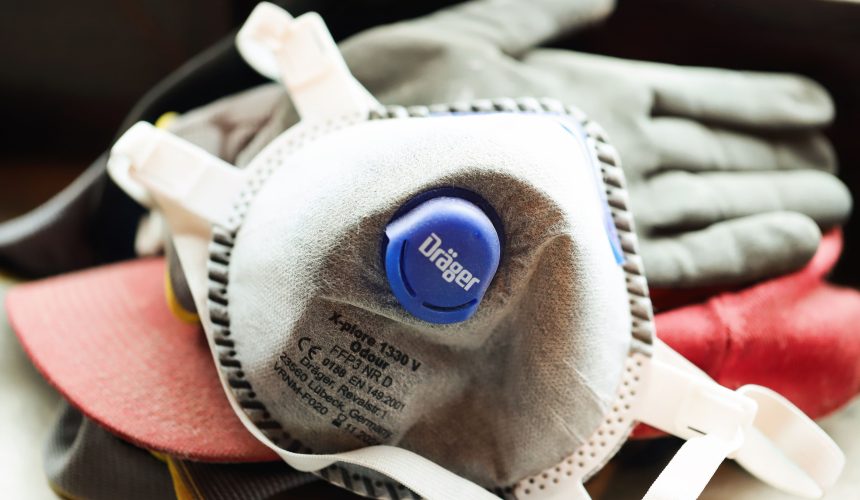
Even the best RPE will not protect the wearer if it does not fit properly. Tight-fitting RPE, such as disposable masks and half masks, must be face fit tested to ensure an adequate seal.
At MBO Safety Services, we regularly see workers wearing masks that simply do not fit their face shape. Without a proper seal, harmful substances bypass the filter entirely.
Face fit testing is not optional. It is a legal requirement under COSHH, the PPE Regulations and HSG53 guidance.
How MBO Safety Services Can Help
We support organisations across the UK in meeting their legal duties and protecting their workforce. Our services include:
- RPE selection guidance We help you choose the correct equipment for the hazards present in your workplace.
- Qualitative face fit testing Delivered by trained and competent assessors to ensure compliance.
- RPE user training Workers learn how to wear, check and maintain their equipment correctly.
- Policy and compliance support We help you align your procedures with COSHH, PPE Regulations and HSE guidance.
- Ongoing support and retesting As face shapes, tasks and equipment change, we ensure your RPE programme stays compliant.
Our goal is simple: to ensure every worker has the right protection, every time.
Correct RPE is not just a box-ticking exercise. It is a vital part of safeguarding health, meeting legal obligations and creating a safe working environment. At MBO Safety Services, we are committed to helping organisations understand their responsibilities and implement effective, compliant RPE programmes, to discuss your needs further, simply get in touch with us on 08000 842 297 or info@mbo.ltd