
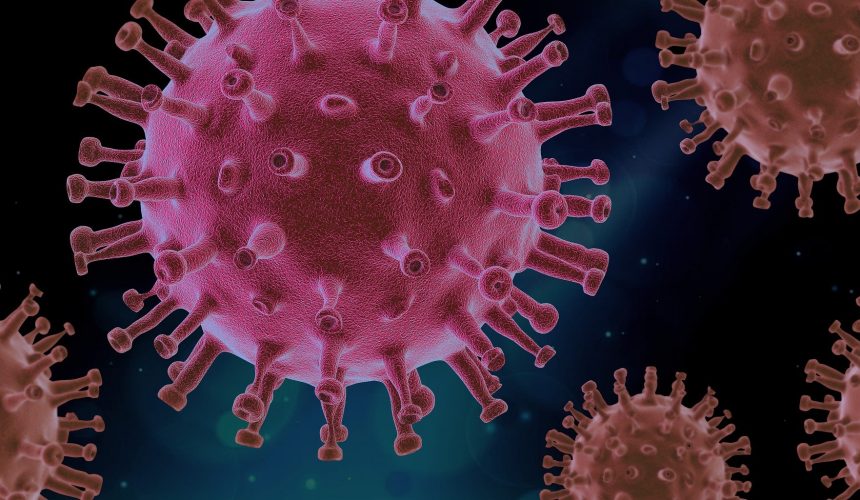
Covid-19 has made our life challenging. At work we have had to make lots of changes to help prevent the spread of COVID-19 but what happens when your colleagues start to become infected and when should we report this to the HSE.
You should only make a report under RIDDOR when one of the following circumstances applies:
- An accident or incident at work has, or could have, led to the release, or escape of coronavirus (SARS-CoV-2). This must be reported as a dangerous occurrence.
- A person at work (a worker) has been diagnosed as having COVID-19 attributed to an occupational exposure to coronavirus. This must be reported as a case of disease.
- A worker dies as a result of occupational exposure to coronavirus. This must be reported as a work-related death due to exposure to a biological agent.
Dangerous occurrences
Dangerous occurrences are certain unintended, specified events, which may not result in a reportable injury, but which do have the potential to cause significant harm.
For an incident to be reportable as a dangerous occurrence, the incident must have resulted (or could have resulted) in the release or escape of coronavirus, that is, led to a possible or actual exposure to coronavirus.
The assessment does not require any complex analysis, measurement or test, but rather for a reasonable judgement to be made as to whether the circumstances gave rise to a real risk or had the potential to cause significant harm.
Find out more about what the law says including some examples of what is not and what is reportable as a dangerous occurrence.
Cases of disease: exposure to a biological agent
When deciding if a report is required, the responsible person (usually the employer) must make a judgement, based on the information available, as to whether or not a confirmed diagnosis of COVID-19 is likely to have been caused by an occupational exposure, that is, whether or not there is reasonable evidence that a work-related exposure is the likely cause of the disease.
The report should specify a disease due to exposure to a biological agent and use the case of disease report form.
Get more information on what constitutes a diagnosis and more guidance on making a judgement and reasonable evidence.
Work-related deaths due to exposure to a biological agent
For an incident to be reportable as a death due to occupational exposure to coronavirus there must be reasonable evidence that a work-related exposure caused the worker’s death.
The responsible person should notify the enforcing authority by the quickest practicable means, without delay, and send a report within 10 days. The report should specify death due to exposure to a biological agent using the “case of disease” report form.
Members of the public and non-work-related cases
There is no requirement under RIDDOR (The Reporting of Injuries, Diseases and Dangerous Occurrences Regulations 2013) to report incidents of disease or deaths of members of the public, patients, care home residents or service users from COVID-19.
The reporting requirements relating to cases of, or deaths from, COVID-19 under RIDDOR apply only to occupational exposure, that is, as a result of a person’s work.
MBO has asked for more clarification on this and below if the HSE response.
There is no requirement under RIDDOR to report incidents of disease or deaths of members of the public, patients, care home residents or service users from COVID-19. The reporting requirements relating to cases of, or deaths from, COVID-19 under RIDDOR apply only to occupational exposure, that is, as a result of a person’s work. Work with the general public, as opposed to work with persons known to be infected, is not considered sufficient evidence to indicate that a COVID-19 diagnosis is likely to be attributable to occupational exposure. Such cases do not require a report.
To require a RIDDOR report, the death must be caused by an occupational exposure to coronavirus, that is, for COVID-19 reported deaths, the disease must have been a significant cause of the person’s death. Please see here the factors that should be considered when assessing reasonable evidence of occupational exposure as are the same for work-related deaths as for disease reporting.
Please note responsible persons do not need to conduct extensive enquiries in seeking to determine whether a COVID-19 infection is work-related. The judgement should be made on the basis of the information available. There is no requirement for RIDDOR reports to be submitted on a precautionary basis, where there is no evidence to suggest that occupational exposure was the likely cause of an infection. You can find full detail on RIDDOR reporting of COVID-19 – HSE here.
You should contact your local PHE HPT for help and advice. Every one of us plays a vital role in stopping the spread of COVID-19. Early engagement with your local PHE HPT is important to minimise any possible wider outbreak in your community. Also please see here for Guidance for contacts of people with possible or confirmed coronavirus infection who do not live with the person.
There are important actions that everyone should take at all times to help prevent the spread of COVID-19. The guidance working safely during coronavirus (COVID-19) has practical steps to take, including how you must carry out a COVID-19 risk assessment for your organisation. It also may be useful to follow the guidance for COVID-19 Early Breakout Management.
If you have any questions or if MBO can assist you please do not hesitate to get in contact with us.